Shopping Cart
No item in your cart !
RM0.00
View Cart
For many parents, transitioning from breastfeeding to bottle feeding can feel like a significant milestone. Whether you're returning to work, sharing feeding responsibilities, or gradually weaning your baby, the process requires patience, consistency, and understanding.
The good news is that most babies can successfully adapt to bottle feeding with the right approach. Here are some practical tips to help make the transition smoother for both you and your little one.
Every family's situation is unique. Common reasons include:
Remember that there is no "right" timeline. The best approach is one that works for both you and your baby.
Many lactation experts recommend waiting until breastfeeding is well established before introducing a bottle, typically around 3 to 6 weeks of age.
Introducing a bottle too early may sometimes interfere with breastfeeding establishment, while introducing it too late may make some babies more resistant to trying a bottle.
If you are unsure, consult your healthcare professional or lactation consultant for personalised advice.
Avoid replacing all breastfeeding sessions at once.
Instead:
✅ Introduce one bottle feeding per day
✅ Choose a time when your baby is calm and not overly hungry
✅ Gradually increase bottle feeds as your baby becomes comfortable
A gradual transition often helps babies adapt more easily.
Babies can often smell their mother's milk and may prefer breastfeeding when mum is nearby.
Consider having others such as:
offer the bottle initially.

Many babies accept a bottle more readily from someone other than their breastfeeding parent.
Bottle acceptance can vary from baby to baby.
When choosing a bottle:
✅ Select a teat flow rate suitable for your baby's age and feeding needs
✅ Choose a soft teat that encourages natural feeding
✅ Look for bottles designed to support comfortable feeding
A bottle with an effective vent system may also help reduce unnecessary air intake during feeding.
If possible, start by offering expressed breast milk in the bottle.
The familiar taste and smell may help your baby feel more comfortable with the new feeding method.
Once your baby accepts the bottle, transitioning to mixed feeding or formula feeding may become easier if needed.
Bottle feeding does not always need to mimic breastfeeding exactly.
Experiment with:
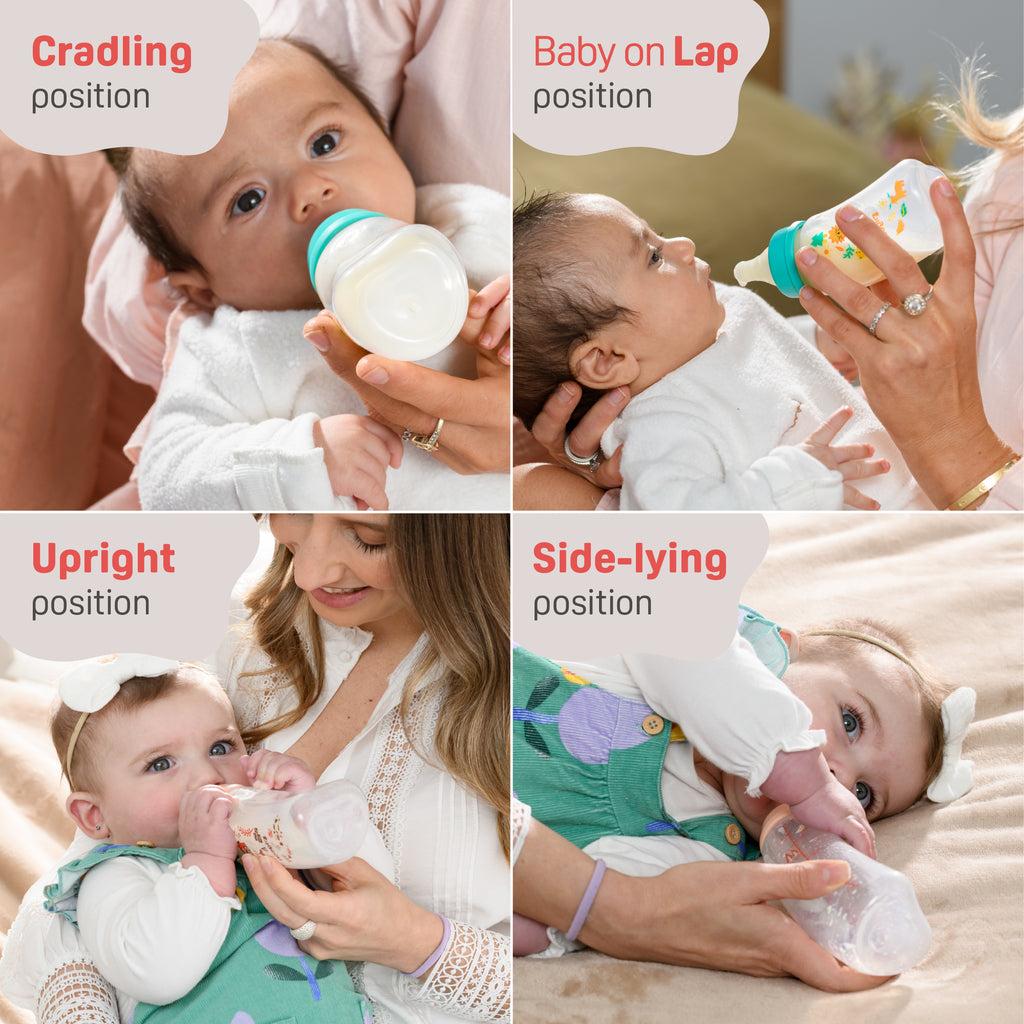
Small adjustments can sometimes make a big difference.
Paced bottle feeding allows babies to feed more naturally and comfortably.
How to do it:
Benefits may include:
Some babies accept a bottle immediately, while others may take days or even weeks.
Avoid:
❌ Forcing the bottle
❌ Feeding when your baby is extremely upset
❌ Constantly switching between multiple bottle types
Instead:
✅ Stay calm
✅ Be consistent
✅ Offer gentle encouragement
Patience is often the key to success.
Some babies may experience:
Bottle Refusal
Continue offering the bottle gently and consistently.
Gulping or Fast Feeding
Check whether the teat flow is too fast.
Increased Air Intake
Ensure a proper latch and use bottles with effective venting systems.
Fussiness During Feeding
Pause regularly and burp your baby when needed.
At Sucvent Malaysia, our feeding bottles are designed with a balanced vent system that allows air exchange while helping reduce unnecessary air intake during feeding.
Key features include:
✅ Balanced air exchange during feeding
✅ Reduced unnecessary air intake
✅ Enclosed vent design
✅ Milk does not enter the vent system
✅ Easy-to-clean design
✅ Suitable for everyday feeding routines
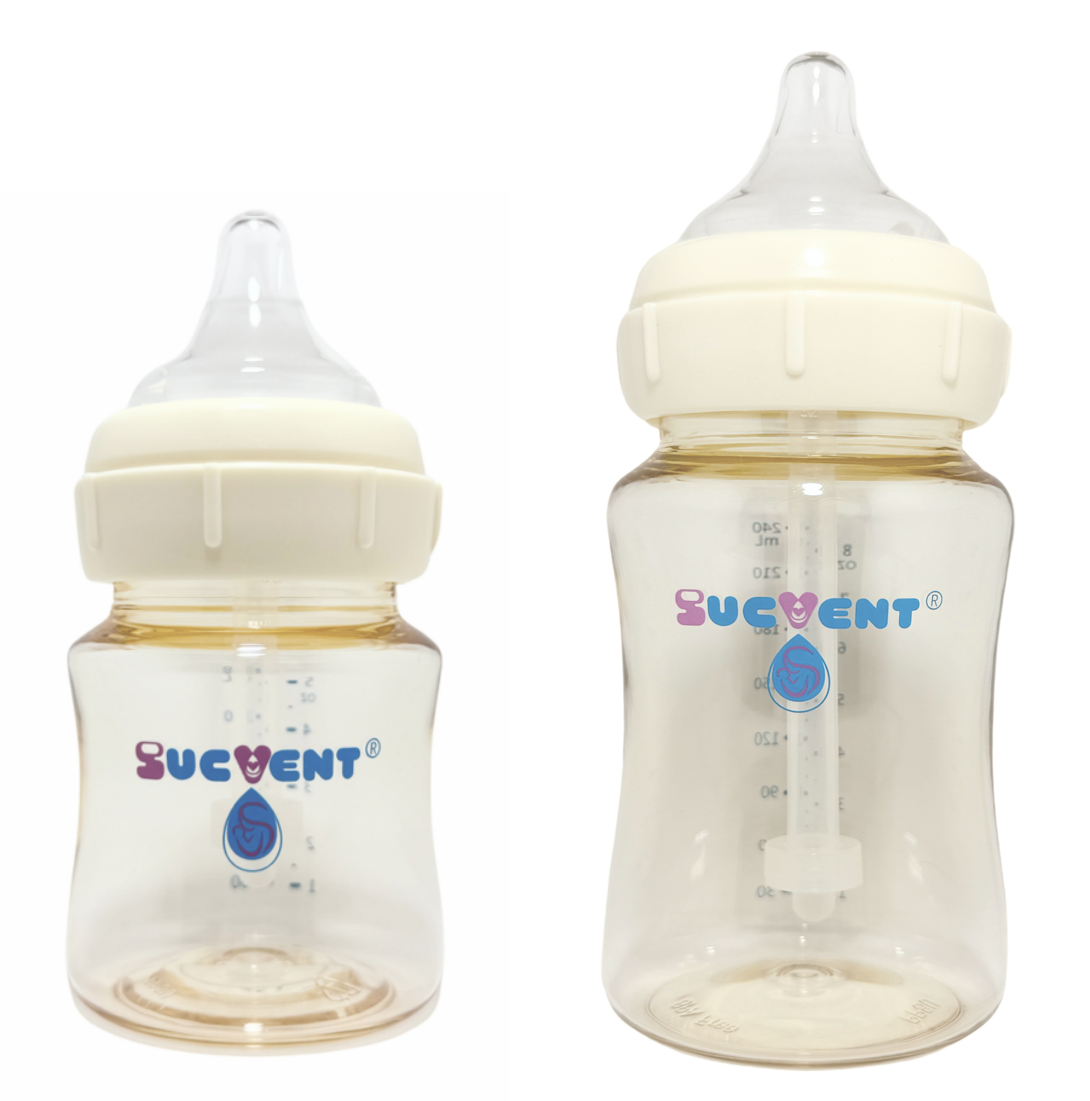
The enclosed vent design prevents milk from entering the vent while remaining easy to clean.
Transitioning from breastfeeding to bottle feeding is a journey that takes time and patience.
Every baby adapts differently, so focus on gradual changes and creating positive feeding experiences.
With the right bottle, appropriate teat flow, and a consistent approach, most babies can successfully make the transition.
Remember: the goal is not perfection—it's finding a feeding routine that keeps your baby comfortable, nourished, and happy.
Small changes during feeding can make a big difference in your baby’s comfort and happiness.
🌐 Website: www.sucvent.my
📸 Instagram: @sucvent.my
📘 Facebook: Sucvent Malaysia







Thoughtfully designed for safety and joyful feeding. Shop now to give your little ones the best care!